Work Outfits from a Small Wardrobe
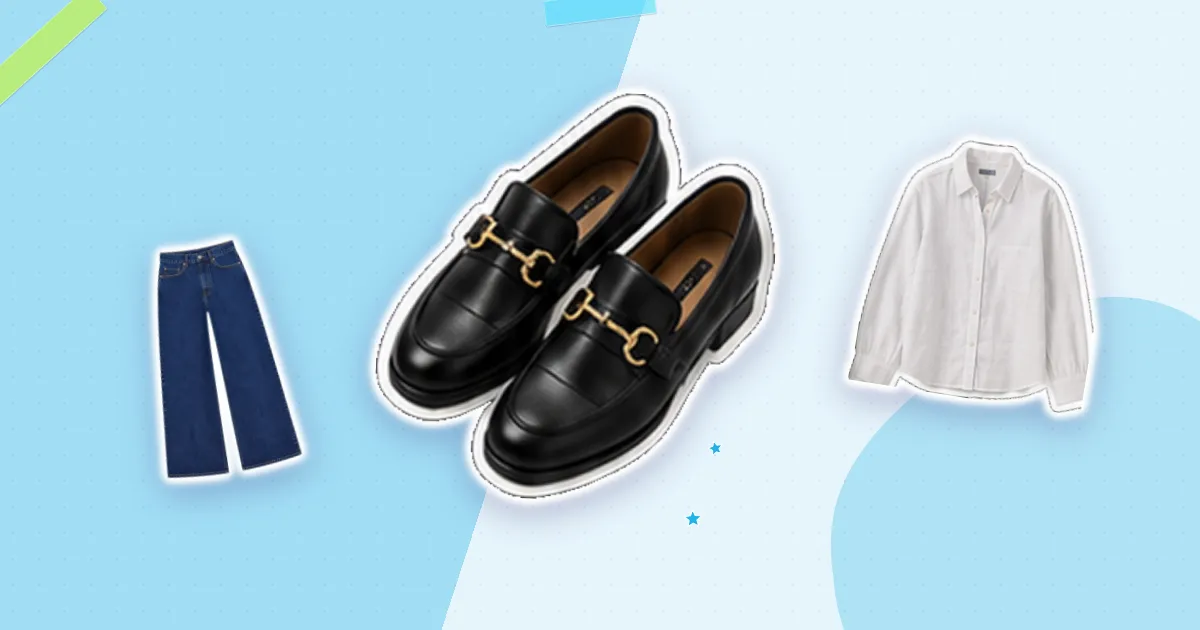
Work wardrobes fail in a predictable way: lots of tops, two pairs of trousers, and one blazer that goes with half of it. The result is a closet that looks full and produces four outfits.
The fix is structural. A dozen well-chosen pieces will cover ten working days without obvious repetition, provided they are chosen to combine rather than to be individually interesting.
The twelve-piece structure
- 3 bottoms — two in your base neutrals, one with texture or subtle pattern
- 5 tops — three plain in palette colours, two with interest (collar detail, print, texture)
- 2 layers — a structured one (blazer) and a soft one (cardigan or knit)
- 2 shoes — one smart, one comfortable, both in base neutrals
Three bottoms times five tops is fifteen combinations before layers. With two layers on top of that, you comfortably clear a fortnight. The maths only works if every top goes with every bottom, which is why the palette decision comes first.
Reading your actual dress code
Ignore the written policy and look at what people one level above you wear on an ordinary Tuesday. That is the real code.
Business formal — matched suiting, closed shoes, minimal pattern. Rare outside law, finance and some client-facing roles.
Business casual — tailored bottoms with a knit or shirt, a blazer available but not mandatory, leather or clean minimal shoes.
Smart casual — dark denim acceptable, trainers often fine, the third piece doing most of the "smart" work.
Dress for the code one notch above your daily default and you will never be underdressed for an unexpected meeting. That single habit removes most work-outfit anxiety.
The third piece is what makes work outfits read as work outfits. Same trousers, same knit, plus a blazer — and it is a different register entirely.
Making repetition invisible
Nobody tracks your trousers. What people register is the top half, and even that only loosely. Practically:
- Rotate the top, keep the bottom. The same trousers three times a week goes unnoticed.
- Change the layer rather than the whole outfit — the blazer-to-cardigan swap reads as a different look.
- Save repeats for non-consecutive days if it bothers you, though it bothers you more than anyone else.
This is the uniform approach, and it is what most consistently well-dressed colleagues are quietly doing.
Hybrid and travel days
If some days are at home and some in the office, split the wardrobe by comfort rather than formality. Keep two office-only bottoms that stay crisp and are worn less, and one comfortable pair that covers home days and casual office days.
For commuting, one outerwear piece that works over the blazer matters more than a second blazer. Check the length: a coat that stops mid-blazer looks unresolved.
Where to spend
Bottoms and shoes, without much hesitation. They are worn most, they show wear fastest, and poor fit is most obvious in tailoring. A well-fitted pair of trousers makes an inexpensive top look considered; the reverse is not true.
Budget the tops. They are seen most but scrutinised least, and they wear out or date faster.
Then run cost per wear on the categories — work clothes have unusually predictable wear counts, since you know exactly how many days a year you go in, which makes the calculation more reliable here than anywhere else in your wardrobe.
Closetelle turns your clothes into a digital wardrobe that plans outfits for you.
Download on the App Store