The Most Sustainable Wardrobe Is the One You Own
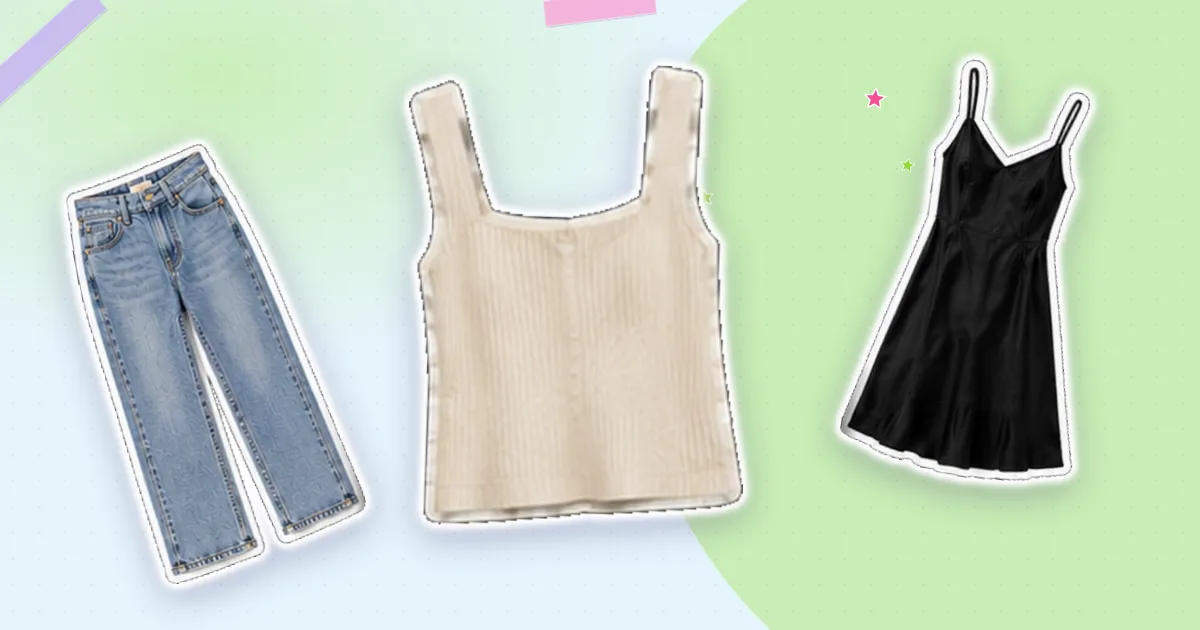
Sustainable fashion is usually presented as a shopping category: buy organic cotton, buy recycled polyester, buy from the better brand. But the largest environmental cost of a garment is incurred before you buy it, which means the most effective thing you can do with a wardrobe is wear it longer.
The numbers that matter
Research from WRAP's Sustainable Clothing Action Plan found that extending the active life of a garment by nine months reduces its carbon, water and waste footprints by roughly 20–30% each. That is a bigger reduction than most material substitutions achieve, and it costs nothing.
The corollary is uncomfortable: buying a sustainably produced replacement for a garment you already own and could still wear generally increases total impact, because you have added a new item's production footprint without removing the old one's.
The greenest garment is the one already in your closet. Wearing it more is the intervention with the best return.
Why clothes leave wardrobes early
Understanding the exit routes tells you where to intervene:
- They stop fitting — sometimes the body, often the garment after poor washing
- They wear out — pilling, thinning, seam failure, broken hardware
- They are forgotten — never worn out, simply invisible at the back of a closet
- They no longer suit the wearer's life — a job change, a move, a shift in taste
Only the second is genuinely about durability. The other three are about care, visibility and buying decisions — all of which are within your control.
Care is the highest-leverage habit
Most clothes are damaged by laundry rather than by wearing:
- Wash less. Most items worn for a few hours need airing, not washing. Jeans and knitwear especially.
- Wash cooler. 30°C or below preserves colour and fibre, and uses substantially less energy.
- Turn things inside out and use a mesh bag for delicates — most pilling comes from abrasion in the drum.
- Skip the tumble dryer. Heat is the single most destructive thing that happens to a garment. Line drying meaningfully extends life.
- Repair early. A loose button is five minutes; a lost button on a shirt you then stop wearing is a whole garment.
Fixing the visibility problem
The forgotten-clothes route is the one people never address, and it may be the largest. Clothes at the back of a rail are not worn out — they are simply out of mind, and they eventually leave in a decluttering session having been worn a handful of times.
This is a solvable problem. Auditing what you own, storing for visibility and keeping a catalogue you can actually see all attack the same failure. Nothing about it requires buying anything.
When you do buy
Buy for a named gap, in a colour that works with your existing wardrobe, in a construction that will survive. Fibre content matters, but fit and versatility matter more — because an ethically produced garment worn twice is worse, on every measure, than a conventional one worn two hundred times.
Cost per wear and environmental impact point in the same direction here, which is convenient: the item that is cheapest per wear is usually the one with the lowest footprint per wear too.
At the end of a garment's life
Resale and donation keep clothes in use, but only for items someone would actually want. Donating unwearable clothing pushes the disposal cost onto charities, and a significant share of donated textiles is never resold locally.
For genuinely worn-out items, textile recycling is the right route — many councils and several high-street retailers collect them. Cutting up an unwearable cotton shirt for cleaning cloths is a small thing, but it is better than the bin.
The honest summary
Wear what you own, wash it gently, fix it early, and keep it visible enough that you remember it exists. Then buy less, and buy for gaps you have actually experienced. It is unglamorous advice, and it outperforms almost every alternative.
Closetelle turns your clothes into a digital wardrobe that plans outfits for you.
Download on the App Store