Virtual Try-On vs the Fitting Room
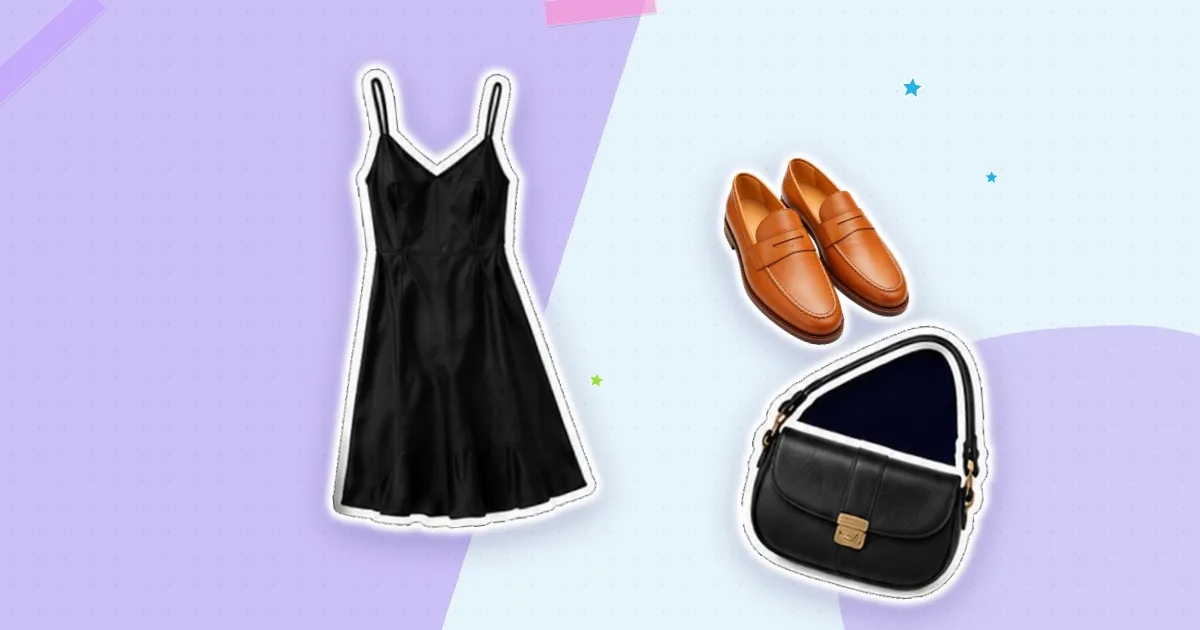
Virtual try-on gets compared to the fitting room as though one replaces the other. They answer different questions, and knowing which question you are asking tells you which to use.
What the fitting room answers
Fit, definitively. Whether the shoulders sit right, whether it pulls across the back, whether the waist lands where you want. No generated image can tell you this, because the model has no measurements — it is producing a plausible picture, not simulating a garment on your body.
Fabric behaviour. Weight, stretch, drape, whether it is scratchy, whether it is see-through under strong light.
Comfort and movement. Sit down, raise your arms, walk. This is where most eventual regret originates, and it is invisible in any preview.
True colour — with the caveat that shop lighting is often terrible, so take it to a window or a doorway.
What try-on answers better
Whether it suits you, which is different from whether it fits. Silhouette against your proportions, colour against your colouring, hemline against your height. A preview is often clearer on this than a badly lit fitting room with a mirror you dislike.
Complete outfits. The fitting room shows you one garment against whatever you happened to wear that day. A preview can show a piece against clothes you already own — which is the actual question when you are deciding whether something earns a place in your wardrobe.
Narrowing options. Ruling out three of five candidates before you queue for a changing room, or before you order four sizes for home try-on.
Clothes you already own. This is the underrated case. There is no fit risk at all — you own everything — so the preview is answering the only remaining question: do these pieces work together?
Preview answers "does this suit me?" The fitting room answers "does this fit me?" Confusing the two is how people end up disappointed by both.
Where each one misleads
Try-on renders an image, so it can show a garment fitting perfectly when it would not, approximate fine patterns and detailing, and shift colour depending on the lighting in the input photos. The limitations are specific and worth knowing.
The fitting room misleads through lighting, mirrors and the psychology of having already invested time. Ten minutes in a queue and a helpful assistant creates real pressure to justify the trip. You are also seeing the item against today's outfit, not against your wardrobe.
Online ordering as the third option
Ordering several sizes home is the most accurate option available — real garment, real light, your own mirror, your own clothes to try it with. It is also the most wasteful: returns have a genuine environmental cost, and a proportion of returned clothing never gets resold.
Using a preview to cut four candidates to one before ordering is where the two approaches genuinely combine well.
A workflow that reduces mistakes
- Preview first to check silhouette, colour and whether it works with what you own.
- Check measurements against a garment you already own that fits — far more reliable than a size label.
- Try on for real — fitting room or home — for fit, fabric and comfort.
- Sit and move before deciding.
The first step is doing the work that used to be guesswork, and the third is doing the work no image can. Together they cut the "seemed like a good idea" purchases, which are the ones with the worst cost per wear in any wardrobe.
Closetelle turns your clothes into a digital wardrobe that plans outfits for you.
Download on the App Store